
Summer Smart, Planet Smart: Eco-Living for Pakistan’s Hottest Months

//
Sajina Limbu
Pakistan’s summer now arrives with a familiar mix of stress and uncertainty: extreme heat, higher electricity demand, water scarcity, and the risk of sudden downpours that can flood streets and damage homes. Eco-living in summer is not about perfection. It is about practical habits that keep families safer, reduce costs, and lower pressure on the environment and the city systems we all depend on.

Cool the home, not the bill
The easiest unit of cooling is the cooling you do not have to buy. In summer, the first priority is blocking heat before it enters the home. Keep curtains closed during the hottest hours. Shade west-facing windows with simple cloth shades, bamboo blinds, or an awning. If you have a balcony or veranda, treat it as a protective buffer by keeping it shaded and uncluttered so air can move.
Roof heat is often the biggest driver of indoor discomfort. If possible, use whitewash or reflective roof coating to reduce heat absorption. Even a small, shaded patch on a roof, using shade netting, can reduce indoor heat load. Use fans strategically by creating airflow paths rather than placing them randomly. Ventilate early morning when air is cooler, then close windows as heat and dust rise.
Cook with less heat and less waste
Kitchen heat can turn a home into an oven. Shift heavy cooking to early morning when possible. Use lids to shorten cooking time. Cook larger batches and store safely so you do not have to run the stove multiple times a day. Choose lighter summer meals more often, with fruits, yoghurt, salads, and lentils, so the body stays cooler and digestion stays easier.
Water wise living in summer
Summer water stress is predictable now, so water discipline must be routine. Fix leaks early. Use a bucket for washing where possible instead of running taps. Reuse clean rinse water from vegetables for plants or floor cleaning. Water any plants early morning or late evening to reduce evaporation. Keep storage containers covered and clean to reduce contamination and mosquito risk.
Rainwater harvesting for real life
Even in summer, rain can arrive suddenly, then disappear for long stretches. Rainwater harvesting helps families catch what comes. You do not need a complex system. A clean drum or container under a downpipe can store water for cleaning, gardening, and other non-drinking uses. If you can, let the first few minutes of rain run off the roof before collecting, because it carries dust. Keep containers covered to prevent mosquitoes and use stored water within a reasonable time while keeping containers clean.
Reduce plastic before it returns as flooding and disease
Plastic waste is not only ugly. It blocks drains, worsens urban flooding, and spreads filth after rain. Carry a cloth bag, reuse containers, and avoid single-use plastics where possible. Do not burn plastic waste, because it poisons air. Separate dry waste if any recycling system exists in your area. A clean street is a safer street, and a street with clear drains is less likely to flood.
Plant for shade and survival
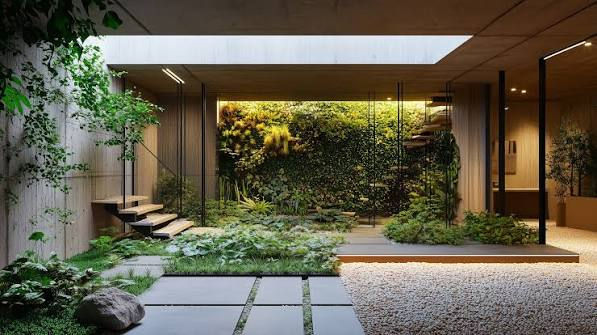
Summer eco-living is also about greenery. A single shade plant near a window can reduce heat, and a tree on a street can cool an entire patch of neighborhood. Choose indigenous, hardy plants that do not demand excessive water. Protect young saplings through the hottest weeks with simple watering and guards. Greening is not decoration. It is survival infrastructure for a hotter Pakistan.
Energy discipline that helps everyone
When summer demand rises, power cuts often follow. Clean fan blades, service coolers if used, and check wiring safety. Use LED lights, turn off unnecessary appliances, and keep refrigerator doors closed. These habits reduce bills, reduce peak demand, and reduce the stress that falls hardest on vulnerable households.
A simple summer pledge
Eco-living in Pakistan does not require grand gestures. Shade the home, protect the roof, ventilate wisely, cook smarter, fix leaks, harvest rainwater when it comes, reduce plastic, keep drains clear, and plant for shade. When many households do this together, summer becomes less damaging, and our cities become more resilient, one habit at a time.


Comments