
Living Cooler, Living Kinder: Eco-Living Tips for Pakistan’s Hotter Cities

//
Yasmin Elahi
Every summer, many families in Pakistan feel the same pressure building up. Rooms heat up early in the day, nights stay warm, electricity bills rise, and power cuts turn discomfort into distress. In Karachi, humidity makes heat feel heavier. In Lahore and Rawalpindi, heat mixes with dust and smog. In Islamabad, shrinking green cover and fast construction are changing the city’s comfort. When a country is getting hotter, eco-living is not about being trendy. It is about learning how to live with nature instead of fighting it and losing again and again.
This month’s Eco-Living page focuses on practical, low-cost habits that help households stay cooler, reduce waste, and protect health. These actions may look small, but when many households adopt them, they reduce pressure on the electricity grid, improve neighbourhood comfort, and support a more resilient Pakistan.

Cooling the home without fighting the sun
The first step is to reduce heat entering the home. Shade is your friend. If your windows receive harsh afternoon sun, especially from the west, try simple shading such as curtains, bamboo blinds, or cloth shades outside the window. If you can, add a small awning or plant a vine on a trellis near a sun-facing wall. Blocking sunlight before it enters the room is more effective than trying to cool the room after it is already hot.
Roofs matter too. Many homes heat up mainly because the roof absorbs strong sunlight for hours. A practical eco-living step is to apply a reflective roof coating or whitewash where suitable. Some families also place a simple shade net above part of the roof to reduce direct heat. Even a small reduction in roof temperature can improve indoor comfort and lower fan or air-conditioner use.

Ventilation is helpful, but timing is everything. If your area has dusty air or smog, open windows early in the morning when air is cleaner and cooler, then close them as heat and pollution rise. Cross-ventilation works best when two openings are on opposite sides. If you live in a single-facing apartment, a small exhaust fan in the kitchen or washroom can help push hot air out. The aim is to let the house “breathe” when the air is favourable, and seal it when conditions outside worsen.
Water wise living in daily routines
Pakistan faces both water scarcity and sudden heavy rains. Eco-living means using water with care even when it feels abundant. Fix leaks early. A dripping tap seems minor, but it wastes a surprising amount of water over time. Keep a bucket in the washroom rather than letting showers run unnecessarily. Reuse simple greywater, such as water from rinsing vegetables, for plants or cleaning floors.
If you have space, small rainwater collection can support gardening and cleaning. Even a modest storage drum under a downpipe can help during dry periods. The goal is not to create a perfect system, but to respect water as a precious resource that should not be wasted.

Reducing plastic and kitchen waste with simple swaps
Eco-living is also about reducing the waste that clogs drains, worsens urban flooding, and harms health through burning and pollution. Start in the kitchen. Keep one cloth bag for vegetables and one reusable bag for groceries. Store leftovers in steel or glass when possible, especially for hot foods. Avoid heating food in plastic containers.
Food waste is another hidden burden. Plan meals and portions so less food is thrown away. Keep vegetable peels for composting if you have a small pot garden, or for feeding animals where appropriate. Even without composting, separating organic waste from plastic helps waste collectors and reduces messy dumping.
Greening the balcony, courtyard, or street edge
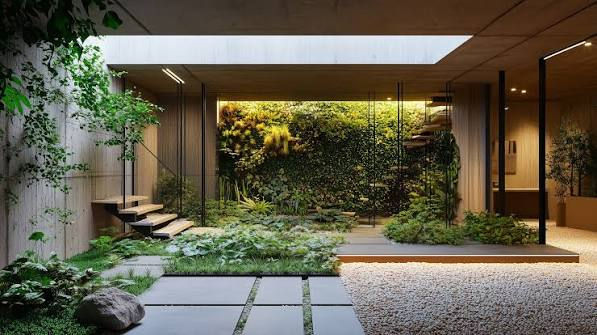
You do not need a large garden to support nature. A few pots with herbs, a small shade plant, or a climbing vine can cool a corner and attract pollinators. Choose local, hardy plants that do not demand excessive water. If your street has space, speak with neighbours about planting a few shade trees and caring for them together. Urban greenery is not decoration. It is comfort, cleaner air, and a calmer environment.
Living with nature is a long-term strategy
Eco-living is not about perfection. It is about direction. When households shade rooms, cool roofs, manage water wisely, reduce plastic, and bring back greenery, they make their homes healthier and their cities more livable. In a warming Pakistan, these choices are not only personal. They are national resilience in action.


Comments