
Adventure with Caution: Your Recreation Safety Guide

//
Sultan Kiani
Recreational activities are essential for healthy living, as they relieve stress and contribute to overall well-being. The choice of leisure activities varies; some people pick easy and relaxing hobbies, while thrill seekers prefer adventurous activities. Nothing in the world is entirely risk-free, so it is important to identify common hazards to stay safe.

Recreational activities are important; however, some may border on being unsafe to downright dangerous. Since not every recreational activity can be covered, this article provides general safety guidelines that can be useful for everyone.
Remember: the risk level does not solely depend on the activity but also on your hazard awareness, safety training, suitable equipment uses and emergency preparedness.
Simple activities like playing snooker or taking a casual walk in the park are considered virtually risk-free, requiring only basic safety awareness. However, activities involving higher risks, such as rock climbing, remote camping and motorsports, require more attention, training and preparation, as even a small mistake can make a big difference. Here are some general safety tips to help you enjoy your leisure time:
Hazard Awareness
Safety should always be your first priority. Make sure you understand the risks and safety measures before playing any sport or participating in an adventurous activity. Wear appropriate safety gear as required. Thrill-seeking activities often demand supervised training and plenty of practice before you can safely perform them. Some high-risk activities also require participants to undergo a basic safety orientation even before starting supervised training lessons.

Another common risk in such activities arises when beginners or intermediate participants attempt advanced-level stunts that should only be performed by experts. For example, joining a guided camping expedition is fine, but venturing deep into the woods alone or with inexperienced friends could be risky. Take on bigger challenges only when you can handle them confidently. However, being overconfident can be equally dangerous, as it may give you a false sense of security. So, safety should always be prioritised as a golden rule.

Medical Fitness
While recreational activities are great for health, some require participants to be medically fit. This is particularly important for physically demanding sports and adventures with medium to high risks. Medical fitness criteria vary: some easygoing activities have minimal requirements, while extreme adventures demand above-average physical abilities.
For example, an average person with no serious medical conditions may be allowed to ride a roller coaster, but this does not mean they are also fit for scuba diving or mountaineering. Similarly, people with heart conditions may be prohibited from roller coaster rides because of potential health risks. Know your health condition and the level of effort each activity demands. When in doubt, ask your family physician for advice on whether it is safe to participate in certain sports or adventures.
Some extreme sports require participants to be at least 18 years old, or that minors have a guardian’s consent.
Is it Really Safe?
Even virtually risk-free activities can become dangerous without basic safety. Conversely, even seemingly dangerous adventures can be made acceptably safe through strict safety protocols, certified equipment and sufficient preparation.
Imagine playing snooker in a poorly ventilated club with no emergency exit. Although playing snooker is not dangerous at all, poor indoor air quality and missing fire exits turn this otherwise risk-free activity into a health and safety hazard.
It is critically important to ensure that the management organising adventurous activities is licensed, uses approved and well-maintained equipment, and has trained professionals. Extreme sports and adventures can never be completely safe, but the risk increases significantly when safety rules are ignored. Using substandard or makeshift equipment, employing low-skilled workers, ignoring weather warnings and other safety rules for profit, and having no solid emergency preparedness plan can turn any leisure activity into a tragedy. Always be extra cautious and choose reputable operators; otherwise, the experience could become a one-way ticket to disaster.
Emergency Preparedness
Following safety rules significantly reduces the risk of accidents, but one should always be prepared for the worst-case scenario. Basic first aid training and the availability of necessary medical supplies should be considered essential. Management or group leaders, as well as individual participants, have shared responsibilities to be well prepared for emergencies.
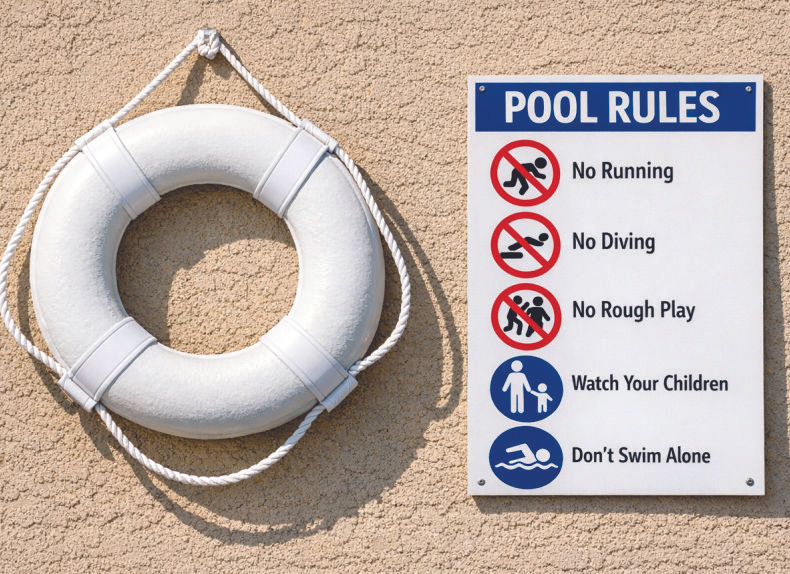
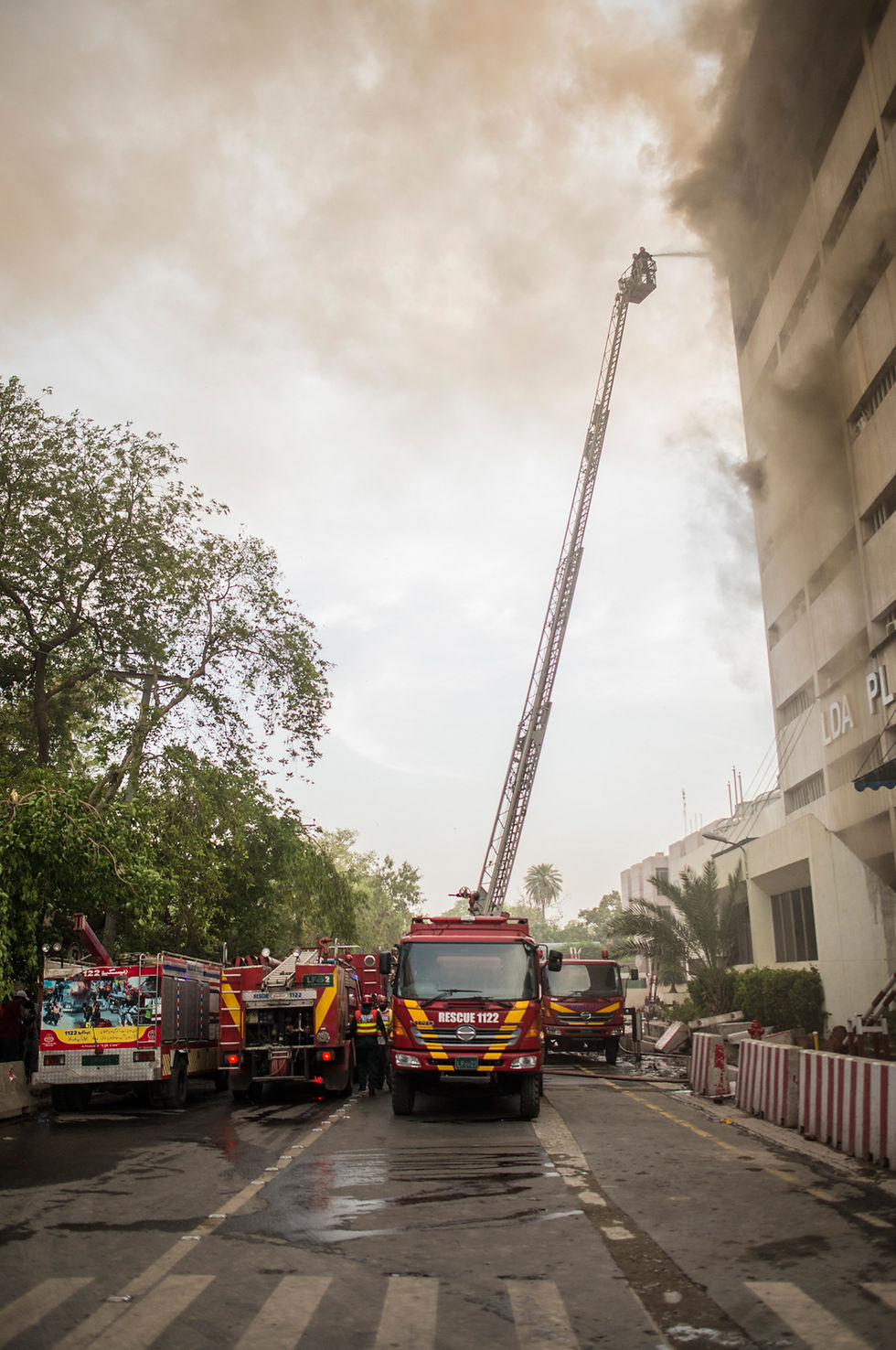
Disasters can strike in several different ways, ranging from a malfunctioning amusement park ride to a fall during rock climbing or getting lost on a camping expedition. Effective preparedness in these kinds of situations is crucial. Timely emergency response, such as halting a broken thrill ride, giving an injured climber quick first aid and rapid hospital transfer, or locating lost explorers using emergency communication, can make the difference between life and death.


Comments