
Preventing the Next Tragic Disaster through Building Safety Reforms

//
Sultan Kiani
June 30, 2026, began with tragedy as a building collapse in Lahore killed 14 children, drawing international media attention. The incident occurred when the roof of a tuition center caved in during construction work, trapping several students beneath the debris. Initial investigations revealed that the collapse was caused by negligence, as an additional floor was being illegally constructed on an aging and unstable structure without basic safety measures in place.
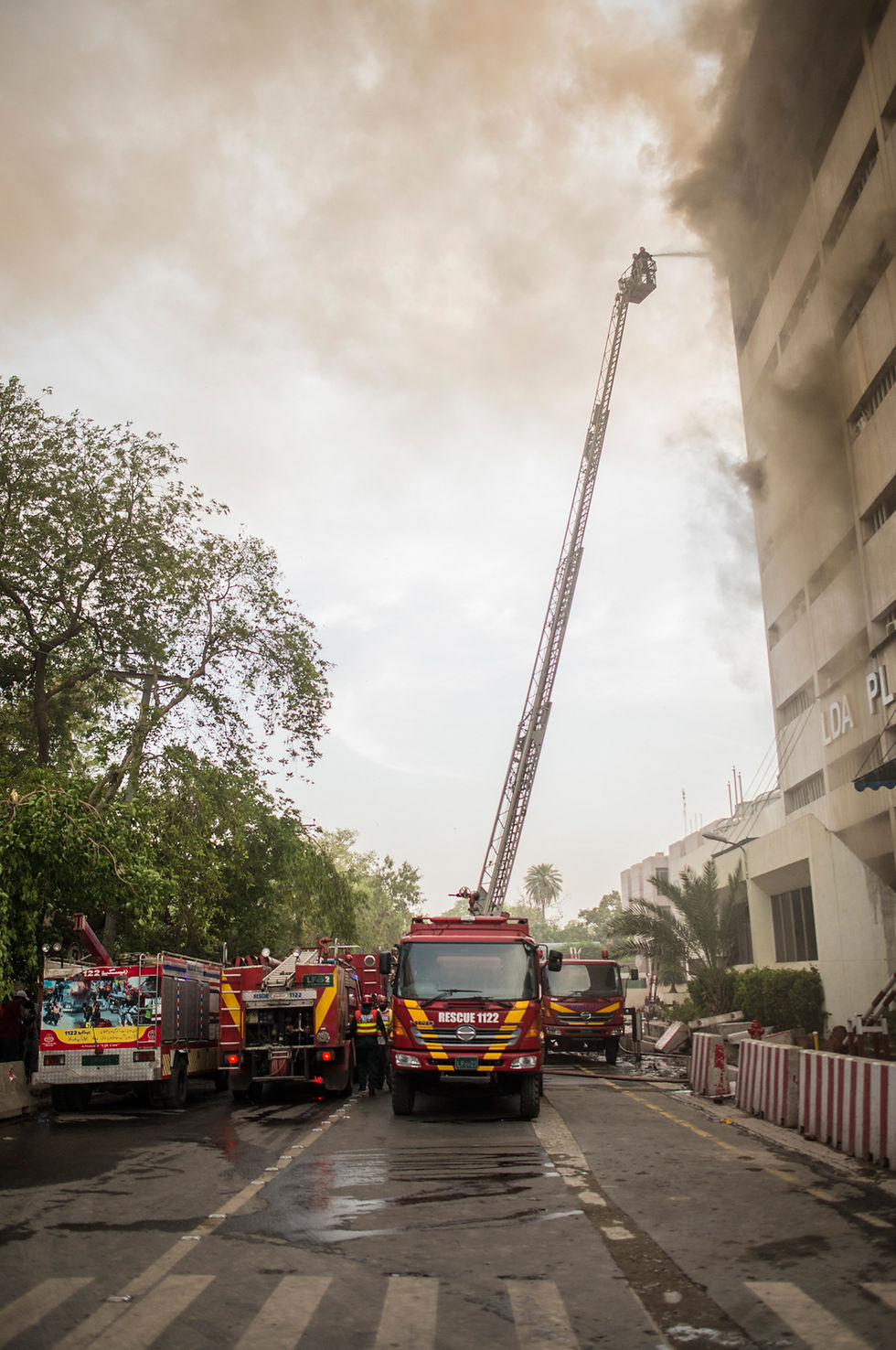
Sadly, building collapse incidents are not uncommon in Pakistan and other developing countries. Not so long ago, in January 2026, Karachi's Gul Plaza was engulfed in flames and burned to ashes. The devastating fire claimed 80 lives and left several others injured. Though painful, the death toll in the Gul Plaza fire was lower than that of Karachi's Baldia factory inferno in 2012, where 260 workers died from burns and smoke inhalation. The collapse of Islamabad's Margalla Tower during the 2005 earthquake demonstrates that fire is not the only hazard capable of destroying multistory buildings. Similarly, hundreds of people die every year in building collapses caused by natural disasters.


From unsafe construction practices to fires and natural disasters, structural failures occur across the country for a variety of reasons. However, inadequate enforcement of building safety laws remains the common underlying factor, which is why such incidents happen time and again. In this article, we explore the root causes of this critical issue, the practical measures the government can take, and the role society can play in improving building safety at the national level.
Why do These Accidents Keep Happening?
Most accidents can be prevented by taking appropriate safety measures. These preventive measures are often governed by building regulations around the world. Nevertheless, even world-class safety regulations become meaningless without effective enforcement. Overpopulation, political instability, poor governance, and poverty can significantly hinder a country's ability to implement and enforce essential laws. Building control authorities are often hampered by inadequate resources, insufficient training, and staff shortages, limiting their ability to curb illegal construction and enforce building safety rules. Corrupt officials allegedly accept bribes in exchange for overlooking serious violations of building safety regulations, including allowance of unsafe building materials.
Authorities typically take action only after such incidents have occurred. And even then, their response is often symbolic rather than addressing the root causes. Despite major tragedies involving building collapses, the prime focus remains on investigating the causes of each incident, while meaningful systemic reforms rarely follow.
Poverty is another major factor contributing to such unfortunate incidents. Coupled with weak law enforcement, it often encourages cost-cutting at the expense of building safety, putting human lives at risk. Not only do people have limited financial resources, but poor law enforcement also reduces the likelihood of legal consequences, which encourages people to compromise on safety.
Additionally, a lack of safety awareness contributes to unsafe building practices. People invest millions in building construction, yet safety is often overlooked. Poverty may contribute to unsafe construction, particularly in low-income communities. However, it is evident that even high-end commercial buildings, schools, and residential complexes barely meet basic safety requirements. They feature luxurious interiors, marble flooring, and modern amenities, yet often lack functional fire alarms and accessible emergency exits. Furthermore, earthquake-resistant construction is rarely incorporated into building projects. All of these issues are caused not only by lax regulations and limited financial resources but also by public attitude toward safety.

Key Measures Needed to Strengthen Building Safety
Effective enforcement through the reform of building control authorities is the need of the hour. This would help ensure that all residential, commercial, and industrial buildings comply with established safety standards. The following measures could significantly contribute to reducing the number of building-related disasters:
New building approvals should require earthquake-resistant design, an adequate number of emergency exits, and functional firefighting equipment.
Existing buildings should also be gradually modified to meet safety requirements. Regular inspections should be conducted to ensure continued compliance with safety regulations.
Administrative reforms should also establish a citizen complaint and reporting system. This could significantly improve compliance with building safety laws, as enforcement agencies have limited resources to conduct regular inspections across cities.
Low-income groups should be provided financial assistance, such as interest-free soft loans, to help them upgrade their homes to meet basic safety requirements.
Public awareness is equally important in making our buildings safer. People must realize that prevention is always cheaper than paying the price of a deadly accident.
Is this building safe? This is the question everyone must ask before buying or renting a house, checking into a hotel, booking an event venue, or enrolling their children in an educational institution.
The concept of safety culture should be introduced through formal education and vocational training programs across the country.
The government should take initiatives to educate construction companies and workers about the importance of safe working practices.
Media platforms, including news, TV, and social media, can play a vital role in promoting public awareness of building safety.
Real estate developers should recognize Safe Buildings as a key feature of their projects and lead by example in promoting safer construction practices.

Emergency exits and firefighting equipment are basic safety requirements for all buildings
The aforementioned measures are crucial to saving lives and preventing property losses. Unless decisive steps are taken, horrific building disasters like the Baldia factory inferno (2012) and the Lahore tuition center collapse (2026) will continue to make tragic headlines.


Comments