
Buckwheat atta: A gluten-free flour with real substance
//
Mehreen Khan
Buckwheat atta (buckwheat flour) has quietly moved from health shops into ordinary kitchens. It appears in rotis, pancakes, porridge, and mixed flours, often promoted as “gluten free” and “diabetic friendly.” Behind the marketing, there is real science worth knowing.
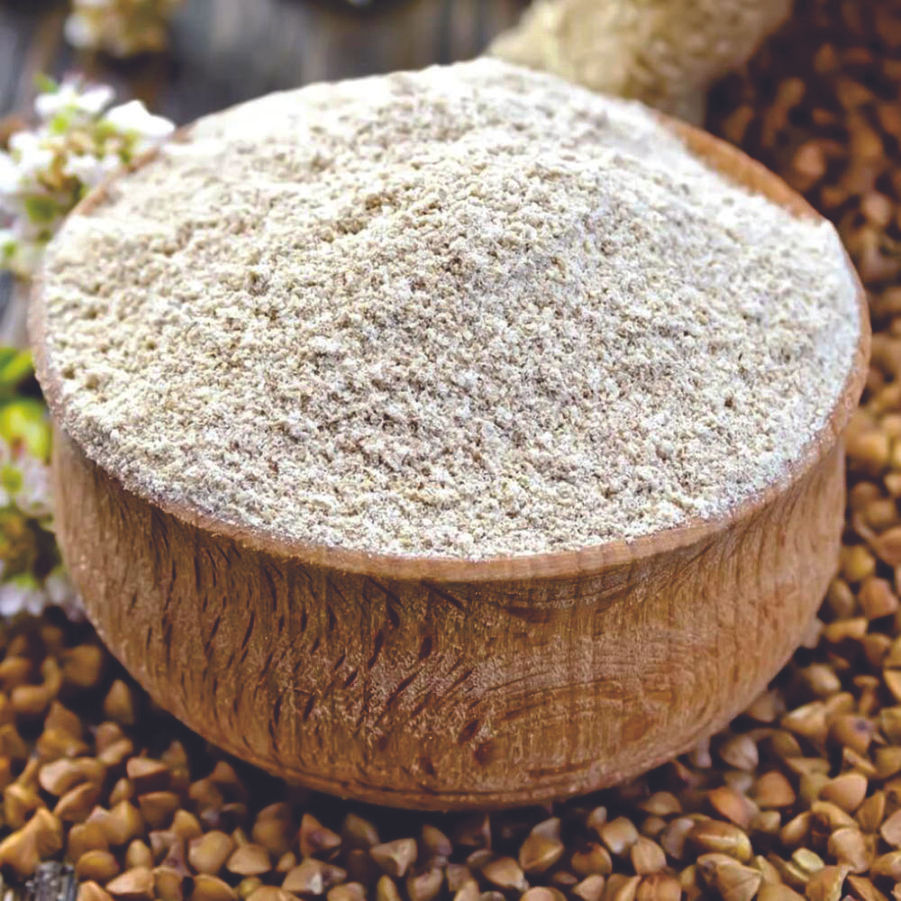
Buckwheat is not actually a wheat at all, but a pseudocereal seed that is naturally gluten free, rich in fibre, minerals, and plant compounds such as rutin and other flavonoids. For families trying to diversify grains, support better blood sugar control, or find alternatives for people with celiac disease, buckwheat atta can be a useful option. At the same time, it is important to understand its limits and risks. This health page gives an overview to help you use buckwheat flour wisely and safely.
Health benefits
Pure buckwheat is naturally free of gluten, even though the name sounds confusing. It is not related to wheat and is listed by celiac organisations as a naturally gluten free food, suitable for many people with celiac disease or gluten sensitivity The key phrase here is “pure buckwheat.” Commercial buckwheat atta may be milled in the same facilities as wheat or mixed with wheat flour in ready-made products. For anyone who must strictly avoid gluten, such as people with celiac disease, certification, careful label reading, and checking for cross contamination are essential.
Rich in fibre, minerals and plant protein
Buckwheat flour is relatively dense in nutrients compared to many refined flours. A typical 100-gram portion of buckwheat flour provides around 13 grams of protein and 10 grams of fibre, with good amounts of magnesium, manganese, copper and potassium.
Fibre helps with digestive health and can support healthier cholesterol and blood sugar levels. Minerals such as magnesium and manganese support nerve and muscle function, bone health, and antioxidant enzymes. For people whose diet is dominated by refined white flour, replacing part of that flour with buckwheat can improve the overall nutrient profile of meals.
Potential support for blood sugar and heart health
Research from different countries suggests that buckwheat has a relatively low to moderate glycaemic index and contains bioactive compounds such as rutin, quercetin and fagopyritols. These substances are being studied for antioxidant, anti inflammatory, anti diabetic, and cardioprotective effects.
Several reviews note that diets including buckwheat may help improve certain cardiometabolic markers, such as blood lipids and blood pressure, although most of the evidence comes from small or short-term studies and from whole groats rather than only refined flour. Buckwheat should therefore be seen as a helpful ingredient inside an overall healthy pattern, not as a stand-alone treatment for heart disease or diabetes.
Antioxidant and anti-inflammatory components
The flavonoid rutin, found in relatively high amounts in buckwheat, is of special interest to researchers. Laboratory and early clinical work links rutin and related compounds to antioxidant and anti-inflammatory effects, as well as possible benefits for blood vessel function.
For everyday readers, the practical message is that buckwheat atta can be one useful way to add diversity and plant antioxidants to the diet, alongside colourful fruits, vegetables, pulses and other whole grains. No single food can replace the need for a balanced, predominantly plant-based diet.
How to use it right
Buckwheat flour has a distinct nutty flavour and produces slightly darker, denser breads than refined wheat flour. Many home cooks prefer to start by mixing buckwheat atta with other flours, such as whole wheat, millet or chickpea flour, and then adjust the ratio according to taste and texture.
For example, you may begin with 25 percent buckwheat flour in a roti or chilla recipe and increase gradually if your family enjoys the flavour. Because buckwheat is gluten free, dough made with 100 percent buckwheat can be more fragile and may need extra care in handling.
Watch the whole meal, not only one ingredient
Buckwheat atta is nutritious, but total meal quality still matters. A roti made from buckwheat flour but served with deep fried sides and sugary drinks will not support metabolic health. For people managing weight, diabetes, or heart disease, combining buckwheat-based dishes with vegetables, pulses, quality protein and minimal added sugar and saturated fat is more important than switching flour alone.
Allergy risk is real for a small group
Buckwheat allergy is uncommon but well recognised. Medical literature documents immediate hypersensitivity reactions, including urticaria, asthma, and even severe anaphylaxis, after eating buckwheat foods or inhaling flour dust. Anyone who develops symptoms such as hives, swelling oathing, wheezing, vomiting or feeling faint after eating buckwheat products should seek urgent medical care and then ask an allergy specialist about testing. People with a known buckwheat allergy must avoid it completely, including in “gluten free” mixed flours.


Comments