
Surviving summer with dignity: Lasting security solutions for Pakistan’s heatwaves, droughts, and floods

//
Dr. Farrukh A. Chishtie
In Pakistan, summer is no longer only a season. It is a test of safety and sanity. Here’s how we can individually and collective create and implement lasting security solutions against these rising climate impacts.
Pakistan’s summer is changing. Heat arrives earlier, lasts longer, and pushes deeper into daily life. Rainfall patterns feel less predictable. Some areas face prolonged dryness, while others experience sudden downpours that overwhelm drains and turn streets into streams. What used to be described as “weather” is now experienced as repeated disruption.

Climate change turns ordinary life into a risk environment. A household does not only manage heat. It manages power cuts that make cooling impossible. It manages water scarcity that makes hygiene harder and disease more likely. It manages flash flooding that damages homes and contaminates drinking water. In many places, the same family faces all three hazards in one season (See Box Global warming and climate change for details).
This is why climate change must be treated as a security issue, not only an environmental issue. The occupational security framework was developed for this era of intersecting crises. It begins by naming the present reality: climate change impacts, armed conflicts, and pandemics are global-scale, cascading crises that harm life itself and restrict daily occupations, disproportionately affecting vulnerable and marginalized communities.
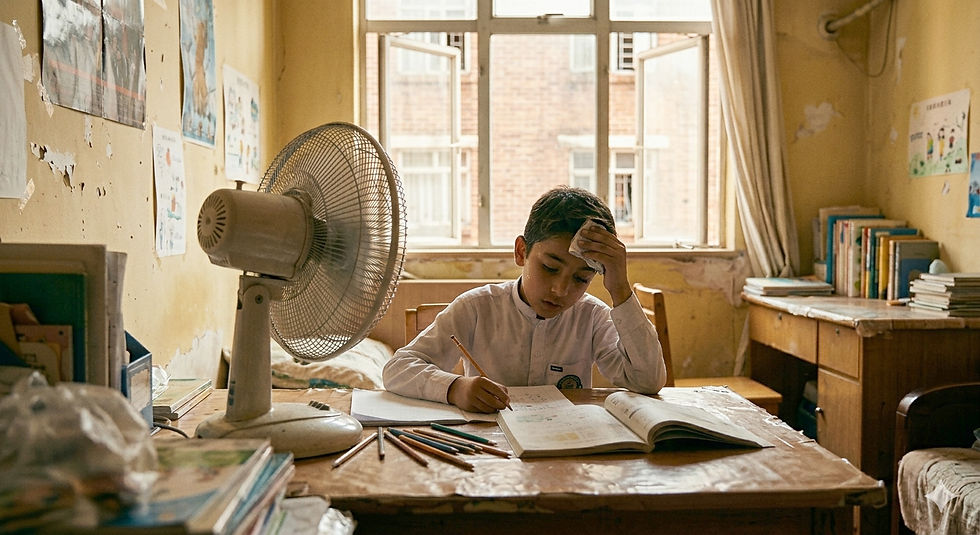
In Pakistan, “occupation” is not a formal job title. It is daily life. It is the child studying in a hot room. It is the worker standing in the sun. It is the mother cooking in a small kitchen with no airflow. It is the older adult trying to sleep through a night that never cools. It is the farmer protecting crops through water stress. Climate change disrupts these daily occupations, and when daily occupations collapse, insecurity grows.
The harsh truth is that climate extremes do not hit everyone equally. Those with resources can buy comfort through generators, bore wells, and air-conditioning. Those without resources absorb the heat, scarcity, and flooding directly. Climate change therefore becomes an amplifier of inequality.
But Pakistan is not helpless. Summer resilience can be built through choices that protect daily life and dignity, and those choices must begin before the crisis peaks. That means preparing households and communities for heatwaves, drought, and floods together, because these hazards interact. Heat increases water demand. Drought increases tension over supply. Sudden rain on hardened urban surfaces increases flooding and contamination. This is why survival must be planned as a system.
The resolution framework: Occupational Security for summer resilience
Occupational security provides a practical resolution because it defines security as protection of life in daily reality. It is defined as the interrelated, sustainable, just, and compassionate protection of humans’ and non-humans’ right to a safe, peaceful, and dignified life, including daily occupations, through measures and solutions that are authentic and accurate. The five interrelated values are sustainability, justice, peace, compassion, and authenticity with accuracy.
This matters for summer because heatwaves, drought, and floods are not only hazards. They are tests of values.
Sustainability means we do not respond with short-term fixes that worsen long-term risk. A city that cuts trees for development increases heat. A neighbourhood that burns waste increases pollution. A housing scheme that builds over drains increases floods. Sustainable choices reduce future suffering.
Justice means protection cannot be limited to those who can pay. Heat safety must reach outdoor workers. Clean water access must reach informal settlements. Flood protection must prioritize low-lying communities. Justice is not an extra. It is the difference between stability and resentment.
Peace means preventing social breakdown under stress. Heat and scarcity can increase aggression, conflict, and exploitation. Peace-building therefore includes fair resource sharing, community cooperation, and preventing crisis profiteering.
Compassion means noticing who is at risk and acting early. It means checking on elders, protecting children, sharing water when possible, and creating shade and cooling spaces for the vulnerable. Compassion must also extend beyond humans. Occupational security explicitly includes non-humans and life-sustaining elements such as air, water, energy, and land, because humans are part of nature, not separate from it. During heatwaves, compassion includes protecting birds, street animals, and trees that keep ecosystems alive.
Authenticity with accuracy means truth. It means honest heat warnings, honest reporting of heat illness, transparent water testing, and clear flood risk information. Occupational security calls for transparency and full disclosure so the public can question the motivations and long-term impacts of “security solutions.” Without truth, people cannot protect themselves, and trust collapses.
With this framework, summer resilience becomes a clear plan rather than a collection of random tips. It also helps Pakistan avoid blaming individuals for structural failure. People cannot “choose” safety if they have no shade, no stable water, and no ability to stop working. Occupational security challenges individualist security thinking and calls for collective responsibility. Occupational security offers the right frame for this moment. It was developed for an era of cascading crises including climate change impacts and ongoing conflicts, and it focuses on safety as something that must protect daily life and its activities, not only systems and borders. It recognizes that insecurity disproportionately affects the most vulnerable and marginalized, and that crises can translate into poverty, homelessness, and deepened vulnerability. It also expands what we are protecting beyond humans alone, including non-humans and life-sustaining elements such as air, water, energy, and land.
In this cover story, we apply occupational security to Pakistan’s summer reality. We will not only describe hazards. We will offer individual, household, and community solutions that protect dignity, reduce harm, and build long-term resilience. We will include practical steps like rainwater harvesting and indigenous plantation, because survival is not only emergency response. It is how we design daily life before crisis hits. In the next pages of this cover story, we will turn this framework into practical action. We will provide household and community strategies for extreme heat, water insecurity, and flood risk, and we will include two critical long-term tools that Pakistan must normalize: rainwater harvesting and indigenous plantation. These are not decorative ideas. They are survival infrastructure for a hotter and more unstable future.
The Occupational Security lens for summer
Occupational security is defined as the interrelated, sustainable, just, and compassionate protection of humans’ and non-humans’ right to a safe, peaceful, and dignified life, including engagement in daily activities, with measures and solutions that are authentic and accurate. Its five interrelated values are sustainability, justice, peace, compassion, and authenticity with accuracy.
This framework is powerful for summer because heatwaves, droughts, and floods disrupt life through daily occupations. People cannot work safely. Children cannot learn well. Families cannot rest. Mothers cannot cook comfortably. Patients cannot travel for care. Even worship routines can become physically stressful during extreme heat. Occupational security insists that real safety must protect these everyday occupations.
Occupational security also helps Pakistan avoid a dangerous trap. During climate extremes, we often blame individuals. We tell people to drink water, stay indoors, and be careful. Those are useful messages, but they can become unfair when people have no shade, no stable water, and no ability to stop working. Occupational security challenges individualist security thinking and calls for collective responsibility and structural solutions.
Each value gives summer action a direction. Sustainability means solutions must work long-term and protect life support systems. Justice means protection must reach those most exposed, not only those who can buy comfort. Peace means preventing social conflict that rises under heat and scarcity. Compassion means checking on the vulnerable and protecting non-humans during stress. Authenticity with accuracy means public institutions must report and respond honestly, not hide suffering behind slogans.
With that lens, we now turn to the three major summer threats and how they interact.
Heatwaves: a public health emergency hiding in plain sight
Heat is dangerous because it can escalate quickly. The body cools through sweating. When temperatures are extreme, humidity is high, or dehydration is present, cooling fails. The earliest signs of heat strain are often ignored: headache, dizziness, nausea, cramps, unusual fatigue, irritability, and confusion. When these signs are dismissed and work continues, heat exhaustion can become heat stroke, and heat stroke is a medical emergency.
In Pakistan, risk is not evenly distributed. Outdoor workers, sanitation workers, traffic police, delivery riders, farmers, and construction labourers bear the greatest exposure. The urban poor living in top-floor rooms, tin-roof shelters, or crowded housing face heat that does not release even at night. Children and elders are more vulnerable because their bodies regulate temperature less efficiently. People with diabetes, heart disease, kidney disease, and respiratory illness are at higher risk during extreme heat.
Heat is also a city design problem. Concrete-heavy neighbourhoods store heat and release it through the night, making sleep difficult and recovery incomplete. When nights stay hot, the body never resets, and risk accumulates day after day.
Occupational security clarifies what heat really destroys. Heat disrupts the right to safe work, safe study, safe rest, safe mobility, and safe caregiving. When heat undermines these occupations, insecurity grows, and family life becomes strained.
Drought and water insecurity: dignity under pressure
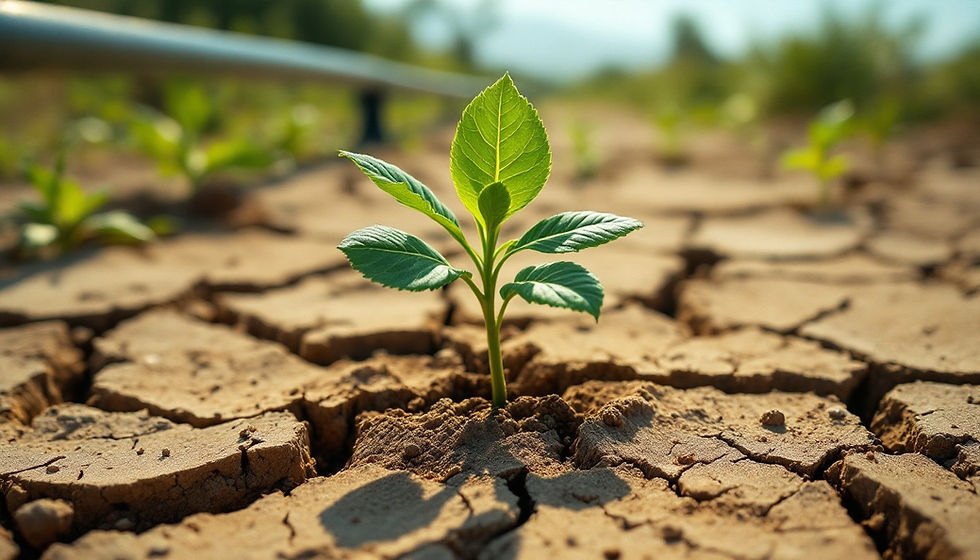
Water insecurity is not only an agricultural problem. It is a dignity problem. When water becomes limited, hygiene weakens, and disease risk rises. Children miss school. Clinics see more gastrointestinal illness. Women carry extra burdens because household water work increases. Communities become tense because people compete for access.
Drought also drives economic stress. Farmers face crop losses and livestock strain. Rural migration increases. Urban areas then carry greater pressure in informal settlements, where water access is already fragile. This is how drought becomes a social stability issue.
Occupational security includes water as a life-sustaining element that must be protected. A summer water strategy must therefore include conservation, fair distribution, and practical household resilience. It must also include rainwater harvesting, because Pakistan’s rainfall pattern often delivers water in sudden bursts followed by long dry stretches.
Rainwater harvesting is not a luxury system. It can be simple. A clean drum placed at a downpipe can capture water for cleaning, gardening, and non-drinking uses. If households adopt a basic “first flush” practice, letting the first minutes of rain run off the roof before collecting, water quality improves for household uses. Covered containers prevent mosquitoes. Used wisely, rainwater reduces pressure on municipal supply, protects family budgets, and builds resilience for water-stressed weeks.
Drought resilience must also include indigenous plantation. Native trees, planted thoughtfully, shade neighbourhoods, lower heat, support biodiversity, and protect soil. They also influence local microclimates. A drought strategy that ignores trees is incomplete because shade is water-saving, and healthy urban trees reduce household cooling demand.

Floods and flash floods: the repeating cycle after rain
In Pakistan, floods are not only a river story. They are a city story. They are a waste management story. They are a drainage story.
When heavy rain falls on paved surfaces, it rushes into drains that are often clogged with plastic waste and debris. Streets flood quickly. Homes in low-lying areas fill with dirty water. Electrical hazards increase. After water recedes, a second crisis begins: disease risk. Stagnant water becomes mosquito habitat. Contaminated water increases diarrheal illness and skin infections. Families lose documents, bedding, and the basic stability needed to recover.
Floods also produce psychological stress. When disasters repeat, people stop feeling secure. They become anxious, reactive, and distrustful. Occupational security recognizes that crises restrict life and harm daily occupations, and that vulnerability is not equally distributed. Floods punish those with the least ability to relocate, rebuild, or access safe shelter.
A summer flood strategy must therefore combine household preparedness, community coordination, and municipal responsibility. It must also include environmental repair: protecting wetlands and natural drainage corridors, stopping construction over waterways, and reducing plastic leakage into drains. Flood resilience is not only sandbags. It is prevention through urban planning and waste discipline.
The Household Summer Safety Plan
Pakistan needs practical routines that families can follow even under constraints.
For heat, the first rule is to reduce heat entering the home. Shade west-facing windows. Use curtains during the day. If possible, create a shaded “cool corner” where elders and infants can rest. If electricity is limited, focus cooling effort on one room rather than attempting to cool the entire home. Timed ventilation matters. Open windows early morning, flush warm air out, then close as heat rises. Keep drinking water accessible and establish a hydration routine rather than waiting for thirst.
For water scarcity, the first rule is to stop waste. Fix leaks. Store water safely in covered containers. Use vegetable rinse water for plants or cleaning. Use a bucket approach for bathing when necessary. If rain arrives, harvest it. A simple drum under a downpipe can provide water for cleaning and gardening, reducing pressure on household supply. Keep it covered to prevent mosquitoes.
For floods, the first rule is to reduce household vulnerability before rain. Clear drain openings near the home. Keep electrical safety in mind: avoid exposed wiring near floors and know how to shut off power if flooding occurs. Store documents in waterproof bags. Keep a small emergency kit ready with water, basic medicines, oral rehydration salts, and a flashlight. After floods, focus on hygiene and mosquito control. Dry rooms quickly. Remove standing water. Use nets where possible.
Indigenous plantation is part of household safety too. Planting a suitable native shade tree near a home can reduce indoor heat and improve comfort for years. Families should choose species that fit their locality and water realities and commit to caring for saplings through the first hot seasons. A surviving tree is more valuable than ten planted and forgotten.
Community solutions: resilience cannot be individual only
Occupational security challenges individualist notions of security and emphasizes collective responsibility. Pakistan needs community systems that reduce harm at scale.
Communities can establish cooling spaces during extreme heat. Mosques, community halls, and schools can become daytime cooling shelters for elders, pregnant women, and children, even if only for a few hours. Community leaders can organize check-ins for people living alone.
Neighbourhoods can coordinate water fairness during scarcity. Simple local agreements reduce conflict. Community committees can monitor tanker exploitation, report leaks, and encourage shared water-saving habits. Where possible, community rainwater harvesting projects can be built for shared uses such as cleaning streets or watering trees.
Flood prevention is also community work. Before rains, neighbourhood groups can organize drain cleaning days, identify blocked points, and coordinate with local authorities. Communities can also reduce plastic leakage through local awareness and household waste separation.
Indigenous plantation must be treated as community infrastructure. Tree corridors along streets and around schools reduce heat islands. Native trees support local birds and insects. They also signal that the community is choosing life over concrete-only expansion. Community plantation drives should focus on survival and care, not only numbers. Planting should be linked with watering plans, guards for saplings, and accountability.
Compassion becomes a practical tool here. Occupational security treats compassion as essential to heal divides and insists it must extend to non-humans through conservation. During heatwaves, compassion includes placing water bowls for birds and street animals, protecting shade trees from unnecessary cutting, and avoiding cruelty driven by stress.
City and government actions: the structural protection Pakistan needs
Household discipline is not enough when systems fail. Occupational security calls for authenticity with accuracy and full disclosure, so the public can question motivations, efficacy, and long-term impacts of security solutions. This means heat, drought, and flood responses must be transparent and measurable.
For heatwaves, cities need heat action plans that include early warnings, hospital readiness, ambulance coordination, and worker protections. Schools should have adaptive scheduling during extreme heat days. Employers should be required to provide shade, water, and rest cycles for outdoor work during peak heat. Heat deaths and heat illness data must be reported honestly.
For drought and water insecurity, governments must strengthen water testing, pipeline safety, and fair distribution. Tanker regulation is essential. Groundwater recharge zones should be protected. Rainwater harvesting should be encouraged through building guidelines and incentives, especially for public buildings. Urban forestry must be treated as climate infrastructure, not beautification.
For floods, municipalities must upgrade drains, enforce waste management, and protect natural waterways. Construction over drains should be stopped. Wetlands and floodplains should be preserved. Drain clearing must be continuous, not only after disaster. Flood risk maps should be public and usable.

Indigenous plantation should be integrated into city planning with scientific species selection, water budgeting, and survival monitoring. Planting non-native, water-guzzling species in water-stressed regions is not resilience. It is future insecurity.
Peace under climate stress: preventing conflict in the season of scarcity
Heat and scarcity can make people harsh. Families become irritable. Communities become suspicious. Disputes over water can turn violent. In such conditions, peace is not automatic. It must be protected.
Occupational security places peace as a core value because peace improves quality of life and supports social cohesion and cooperation. In summer, peace-building is practical. It means fair local water agreements. It means preventing exploitation during crises. It means reducing humiliation, especially of the poor. It means ensuring the vulnerable are not abandoned during heatwaves.
Compassion is the stabilizer. The occupational security framework describes compassion as necessary to heal divides created by isolation and social fragmentation. In summer, compassion looks like checking on neighbours, sharing shade, offering water, and protecting those who cannot protect themselves. It also looks like protecting non-human life, because cruelty to animals and nature often rises when communities are stressed.
Justice must be visible. Occupational security emphasizes justice because systemic inequities worsen insecurity and must be addressed to ensure fair distribution of security. In summer, justice means that relief and protection cannot be reserved for elite neighbourhoods. Cooling spaces, water access, and flood support must reach informal settlements, rural communities, and high-risk workers.
Closing: a national summer pledge for dignity and survival
Pakistan cannot control every weather event. But Pakistan can control how it prepares, how it protects people, and how it treats life.
Occupational security offers a clear promise. Security is not only survival. Security is the right to live safely, peacefully, and with dignity, with protection that is sustainable, just, compassionate, authentic, and accurate, for humans and non-humans alike.

This summer, let us turn that promise into practice.
Let households adopt a summer safety plan that prioritizes hydration, shade, timed ventilation, safe water storage, basic rainwater harvesting, and flood readiness. Let communities organize cooling spaces, fair water coordination, drain preparedness, and indigenous plantation that is cared for, not forgotten. Let city governments treat heat, water, and floods as public health priorities and report outcomes honestly. Let employers protect workers with shade, water, and rest. Let schools, mosques, and public institutions become part of the protection net.
And let us remember that survival is not only human. Our birds, trees, soil, and animals are part of the same life system. Protecting them is protecting ourselves.
Pakistan’s lasting resilience will not be built only by responding to disasters. It will be built by harmonizing daily life with the realities of climate, by choosing indigenous plantation over careless greening, by harvesting rain when it comes, by keeping drains and waterways clear, and by building compassion and justice into the way we protect each other.
Summer will come. The question is whether we meet it with panic and inequality, or with collective dignity and care.
----------------------------------------------------------------------
Global warming and climate change
Global warming means the long-term rise in Earth’s average temperature, mainly because human activities add heat-trapping gases to the atmosphere. The biggest contributors are burning coal, oil, and gas, and cutting forests that would otherwise absorb carbon dioxide. As the planet warms, it does not only make summers hotter. It changes how oceans, winds, and clouds behave, which then changes rain patterns, storm intensity, and the frequency of extremes.
Climate change is the wider set of changes linked to this warming. It includes hotter average temperatures, more frequent heatwaves, shifting monsoon behavior, melting glaciers, rising sea levels, and changes in drought and flood patterns. In Pakistan, this often shows up as longer hot spells, higher night-time temperatures that reduce the body’s ability to recover, more water stress in dry periods, and sudden heavy rains that overwhelm drainage systems.
----------------------------------------------------------------------
What are heatwaves, and why are they happening more often
A heatwave is a period of unusually high temperatures that lasts for several days, often with hotter-than-normal nights. Heatwaves become dangerous when the human body cannot cool itself properly, especially when humidity is high, water intake is low, and shade or cooling is limited. Night heat is a major risk because the body needs cooler nights to recover. When nights stay hot, heat strain accumulates.
Heatwaves are happening more often and becoming more intense because global warming raises the baseline temperature. On top of that, certain weather patterns can trap hot air over a region for days, sometimes called “blocking” conditions. Cities can make heatwaves worse because concrete, asphalt, and rooftops absorb heat in the day and release it slowly at night. This is the urban heat island effect. Heatwaves in Pakistan can also become more dangerous when power cuts limit cooling, water scarcity increases dehydration risk, and outdoor work continues because people cannot afford to stop.
----------------------------------------------------------------------
The changing water cycle under climate change
Climate change intensifies the water cycle, meaning it increases both drying and flooding risks. Warmer air holds more moisture, so when rain happens, it can fall more heavily in a shorter time, increasing flash floods and urban flooding. At the same time, higher temperatures increase evaporation from soil, reservoirs, and rivers, drying landscapes faster and worsening drought stress between rain events.
In practical terms, Pakistan can experience longer dry spells that reduce soil moisture and crop resilience, followed by sudden downpours that the land and drainage systems cannot absorb. In the north, warmer conditions also accelerate snow and glacier melt, which can raise river flows and increase the risk of unstable glacial lakes. The combined result is a tougher planning challenge: communities must prepare for water scarcity and flood damage in the same season, sometimes in the same month.


Comments