
Greener Homes, Cleaner Air: Everyday Steps for Healthier Living in Pakistan

//
Sajina Limbu
As summer slowly moves toward autumn, many families in Pakistan begin preparing for changing weather, school routines, household repairs, and the coming smog season. September is therefore an important month to think about how our homes, streets, and communities can become cleaner, healthier, and more climate-resilient.

Eco-living does not require luxury products or expensive technologies. It begins with simple daily habits that protect the environment while improving family health. Cleaner air, less waste, careful water use, more trees, and safer neighbourhoods are all part of the same vision. When families make small improvements at home, they contribute to a stronger Green Defense for Pakistan.
Keep the air inside your home clean
Air pollution is often discussed as an outdoor problem, but indoor air can also affect health. Smoke from burning waste, excessive use of chemical sprays, poor ventilation, dust, and cooking fumes can make breathing difficult, especially for children, older people, and those with asthma or heart conditions. Families can improve indoor air by keeping rooms well ventilated whenever outdoor air quality allows, cleaning dust with damp cloths rather than spreading it into the air, avoiding unnecessary burning of leaves or garbage, and reducing the use of strong chemical air fresheners. Simple steps such as opening windows during cooler hours, using exhaust fans in kitchens, and keeping cooking areas clean can make homes healthier.
Plants can also help create a calmer and greener indoor environment, although they should not be seen as a replacement for ventilation and clean energy. The most important goal is to reduce smoke, dust, and pollution at the source.
Prepare before the smog season
In many parts of Pakistan, autumn and winter bring smog, especially in large cities and agricultural regions. Smog is not only an environmental issue; it is a serious public-health concern. It can irritate the eyes, throat, and lungs and may worsen respiratory and cardiovascular illness. Households can prepare by reducing activities that add to pollution. Avoid burning waste, leaves, or plastic. Keep vehicles properly maintained. Use public transport or shared travel where possible. Walk or cycle for short distances when air quality is safe. Schools, mosques, community groups, and neighbourhood committees can also spread awareness about clean air and discourage burning practices.
Families should also pay attention to local air-quality warnings. On days when pollution is severe, children, older people, and vulnerable individuals should reduce outdoor exertion. Simple protective behaviour can reduce exposure and prevent illness.
Reduce plastic before it reaches drains
Plastic waste is more than an eyesore. When plastic bags, wrappers, and bottles block drains, rainwater cannot flow properly. This increases the risk of urban flooding during heavy rain. Plastic also breaks into smaller pieces that pollute soil, rivers, and eventually the food chain. Every household can help by carrying reusable shopping bags, refusing unnecessary plastic packaging, using refillable water bottles, and reusing containers for storage. Families can separate recyclable items where local recycling options exist. Even small reductions in daily plastic use can make a meaningful difference when practiced consistently.
Children can be encouraged to collect clean paper, cardboard, and reusable items for crafts or school projects. This teaches them that waste is not always useless; many items can be repaired, reused, or repurposed.

Save water as a daily habit
Water conservation remains one of the most important parts of eco-living in Pakistan. September is a good time to review household water use after the monsoon season. Families can check for leaking taps, broken pipes, overflowing tanks, and unnecessary water waste. Water used for washing vegetables can be reused for plants. Buckets can replace running hoses for cleaning courtyards and vehicles. Ablution water may be collected for trees and ornamental plants where suitable. Rooftop rainwater harvesting, even at a small scale, can support gardens and reduce pressure on groundwater.
Saving water is not only about scarcity. It is also about respect. Clean water is a blessing, and wasting it weakens the resilience of families, farms, and future generations.
Plant shade, not just decoration
As heatwaves become more intense, shade is becoming a form of protection. Indigenous trees and climate-suitable plants help cool homes, reduce dust, provide shelter for birds, and improve the beauty of streets and courtyards. September can be a useful time to care for young plants after the harsh summer months. Families should choose native or well-adapted species that can survive local conditions. Planting should be followed by regular care, watering, mulching, and protection from animals or damage. A tree that survives and grows for decades is far more valuable than many saplings planted for a photograph and then forgotten.
Balconies, rooftops, and small courtyards can also support greenery. Flowering plants attract butterflies and beneficial insects, while shaded corners can reduce heat around the home.
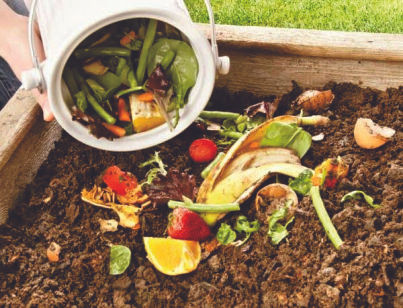
Compost kitchen waste where possible
Many households throw away vegetable peels, fruit skins, tea leaves, eggshells, and garden waste. Much of this organic material can be composted and returned to the soil. Composting reduces waste, improves garden soil, and decreases the amount of material sent to dumping sites. A simple compost corner or covered container can be used where space allows. Families should avoid adding meat, oily food, or dairy waste to basic home compost systems, as these can create odour and attract pests. Dry leaves, soil, and small pieces of kitchen scraps can be layered gradually to produce natural fertilizer.
Composting also teaches children that nature works in cycles. What comes from the soil can return to the soil and support new life.
Use energy wisely as the weather changes
September is a good month to reduce unnecessary electricity use. As temperatures become more moderate in some areas, families can rely more on natural ventilation, daylight, and shaded outdoor spaces. Fans and lights should be switched off when rooms are empty. Appliances should not be left running without need. Energy saving lowers household bills and reduces pressure on power systems. It also helps reduce greenhouse gas emissions. Shade trees, reflective roofs, curtains, and ventilation can all help keep homes cooler naturally, reducing dependence on air conditioners during hotter months.
Build eco-living into family culture
The strongest environmental habits are the ones practiced every day. Children learn by observing adults. When families avoid littering, save water, care for plants, reduce plastic, and respect animals, these values become part of daily life. Eco-living is not about perfection. It is about steady improvement. One family may begin by fixing leaking taps. Another may plant a tree. Another may stop burning waste. Another may start carrying reusable bags. Together, these actions build cleaner streets, healthier homes, and stronger communities.
In summary, September is a reminder that climate resilience begins with ordinary choices. Cleaner air, saved water, reduced plastic, healthy trees, composted waste, and responsible energy use can transform homes into places of care for people and nature.
A greener Pakistan will not be built by policies alone. It will also be built by families who choose, day after day, to live with responsibility, gratitude, and respect for the environment.


Comments