
Bulbs and Roses

//
Zahrah Nasir
October is certainly the ficklest — at least as far as weather is concerned. Although night time temperatures are dropping, days can still be fairly hot, especially so if that dry wind that tends to blow in at this time decides to make a visit. However, irrespective of which way the wind blows, this is a very busy month in the garden indeed!

Bulbs will be appearing in gardening stores sometime soon if, that is, they haven’t already done so and, expensive as they increasingly are, they are just so irresistible that we all end up taking at least a few of them home. With prices being as they are, it is wise to make your choice carefully, selecting the very best quality and the most suitable varieties for what you have in mind.
Buying bulbs, and corms too, is not simply a matter of picking up a certain number to fill a particular space or to plant in decorative pots. Each and every single bulb/corm should be closely inspected and any obviously damaged ones rejected. Bulbs should be firm to the touch — give them a slight squeeze to check — any that are soft should be rejected, as should any that are already showing growth of more than an inch high as these, having sprouted prematurely during transport, are likely to produce only weak, ‘leggy’ plants that will fall far short of expectations.
Corms are very different from bulbs: Some corms — ranunculus for example — look like dried up pieces of hard wood which will never, no matter what you do to them, manage to germinate but this is not the case. As long as they do not show any moldy patches, they should, providing that you treat them right, of course, pop up when ready and provide you with a stunning display of flowers in the spring.
Those of you residing in the southern part of the country, Karachi is very much in my mind, would do well to remember that many of the imported ‘Dutch’ bulbs are of cool climate species. While they will germinate and even manage to flower, the flowers will not last long at all and, sometimes if the sun is especially hot, they will burn up within a day which, when you think about it, really is a waste of money, time and effort. Tulips, daffodils, crocus and snowdrops are prime examples of the latter.

Those of you intent of growing imported bulbs in ‘hot spots’ may get best results from freesias, sparaxis, gladioli and, indoors, Dutch hyacinths. From Lahore northwards there is a wider choice and this includes, along with the aforementioned, Dutch iris, daffodils, narcissus, tulips, ranunculus, cyclamen, crocus and a wide range of lilies.
There are numerous hot climate bulbs, tubers and corms which can also go in right now with amaryllis, begonias, arum lilies and tuberoses being excellent choices.
Whichever variety of these imported bulbs/corms you decide to try, and whether you grow them indoors or out, please ensure that good drainage is maintained at all times otherwise they will rapidly rot away to nothing!

This month is also the right time to put in lots and lots of peas and beans: Peas and beans, be they climbing or dwarf/bush varieties, can be grown directly in the ground or in large pots and other containers with, if at all possible, much use being made of recycled items such as wooden fruit/vegetable crates, lined with a few sheets of newspaper, as long as they are a minimum of eight inches deep. Soil/compost should, of course, be organic, nutrient-rich and drain well. Climbing varieties will need something to climb up and provision is best made at the time of sowing the seeds. If you wait until plants are established before putting in something such as wooden poles, the delicate, often brittle, plant roots will inevitably get damaged and this will adversely affect both growth and cropping capability. Climbing peas and beans — some varieties of beans climb six feet and more — are happy to clamber up arrangements of canes. Wigwam formations are good, strung around with twine for extra support, but it is best to avoid the use of metal poles as this heat up in the sun and the sensitive plant tendrils do not like this concentrated heat.

Varieties of peas you may like to try are: ‘Onward’, ‘Feltham First’ and ‘Kelvedon Wonder’ — all of which are heritage varieties from which you can then keep your own seed for use next season. If you can source them, try some ‘Mange tout’ or ‘Sugar peas’ for using the whole pod in stir fries and the like.
Recommended beans are: Climbing varieties — ‘Barlotto Lingua di Fuoco’, ‘Cosse violette’ (these are wonderful purple podded beans which turn green when cooked), ‘Painted Lady’ and ‘White Lady’ and again, all are heritage varieties.
Dwarf/ Bush beans: ‘Canadian Wonder’, ‘Purple teepee’, ‘Blue Lake’ — all are heritage varieties and very heavy croppers which are perfectly at home in pots and other containers.
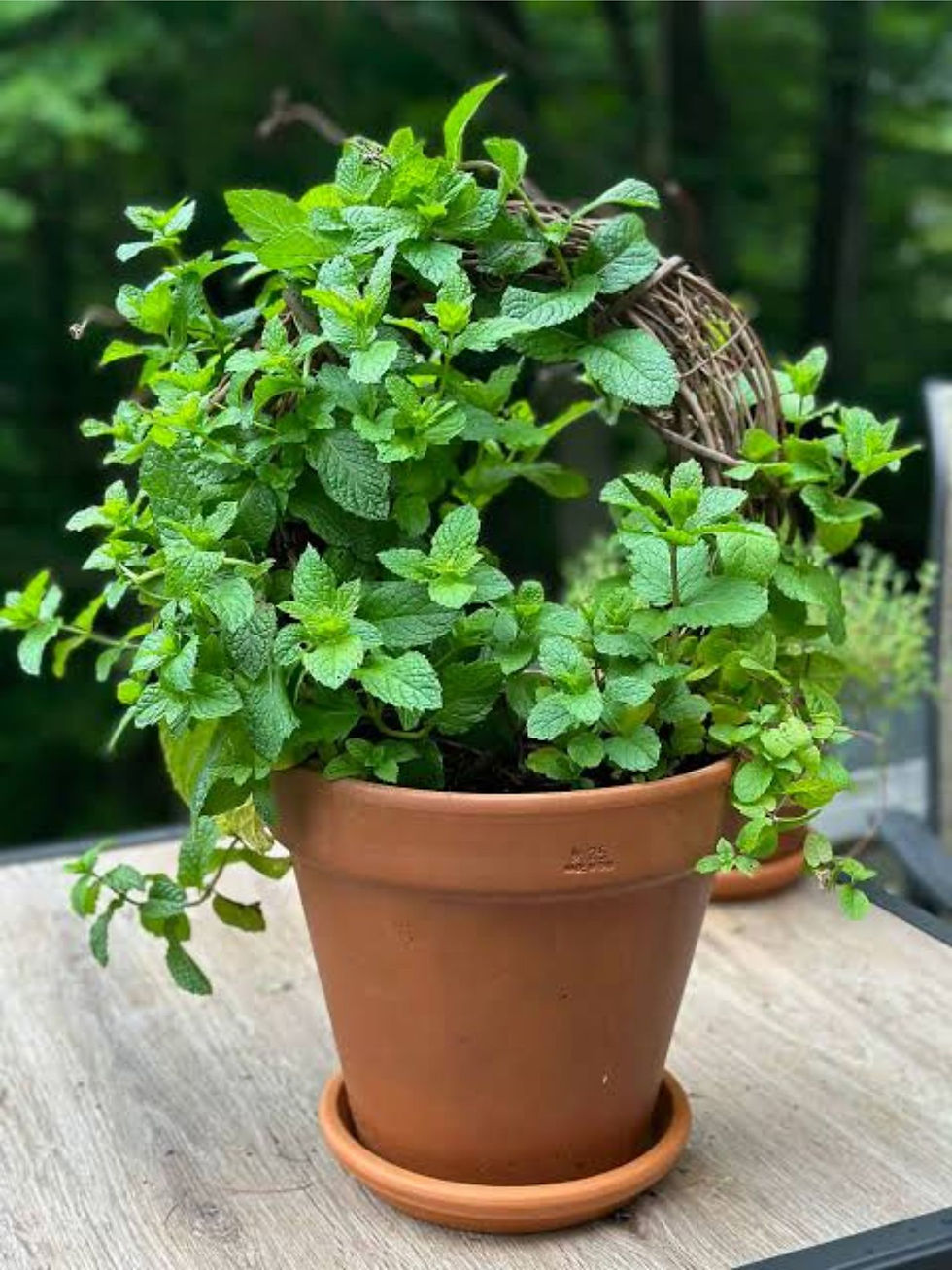
Other vegetables and herbs to sow now include: Cabbage, cauliflower, broccoli, calabresse, green onions, onions, beetroot, carrots, tomatoes, turnips, mustard, lettuce and other salad greens, spinach, leaf beet/Swiss chard, radish, coriander, mints — try apple mint and lemon mint if you can — lemon balm, thyme, sage, parsley, borage, nasturtiums, fennel, dill, basil and watercress.

In the flower garden, I am sure you can find space for some more petunias, dianthus, cornflowers, annual chrysanthemums, antirrhinums, stocks, bellis, lobelia, pansies and violas and dozens and dozens more.

If you are trying for huge, show-off, chrysanthemums then it is important to keep up with the tedious task of disbudding: Rub off all buds, as they appear, except for the central one and, also, provide the plants with a boost by treating them to a healthy dose or liquid, organic fertilizer every couple of weeks or so. Keeping the plants weed-free helps to ensure important air circulation and thus minimize the risk of them developing the powdery mildew that they are so susceptible to.
Additionally, if you are planning to increase your selection of roses and other perennial shrubs and trees over the coming months, make a start on preparing the soil now. More about this next month.


Comments